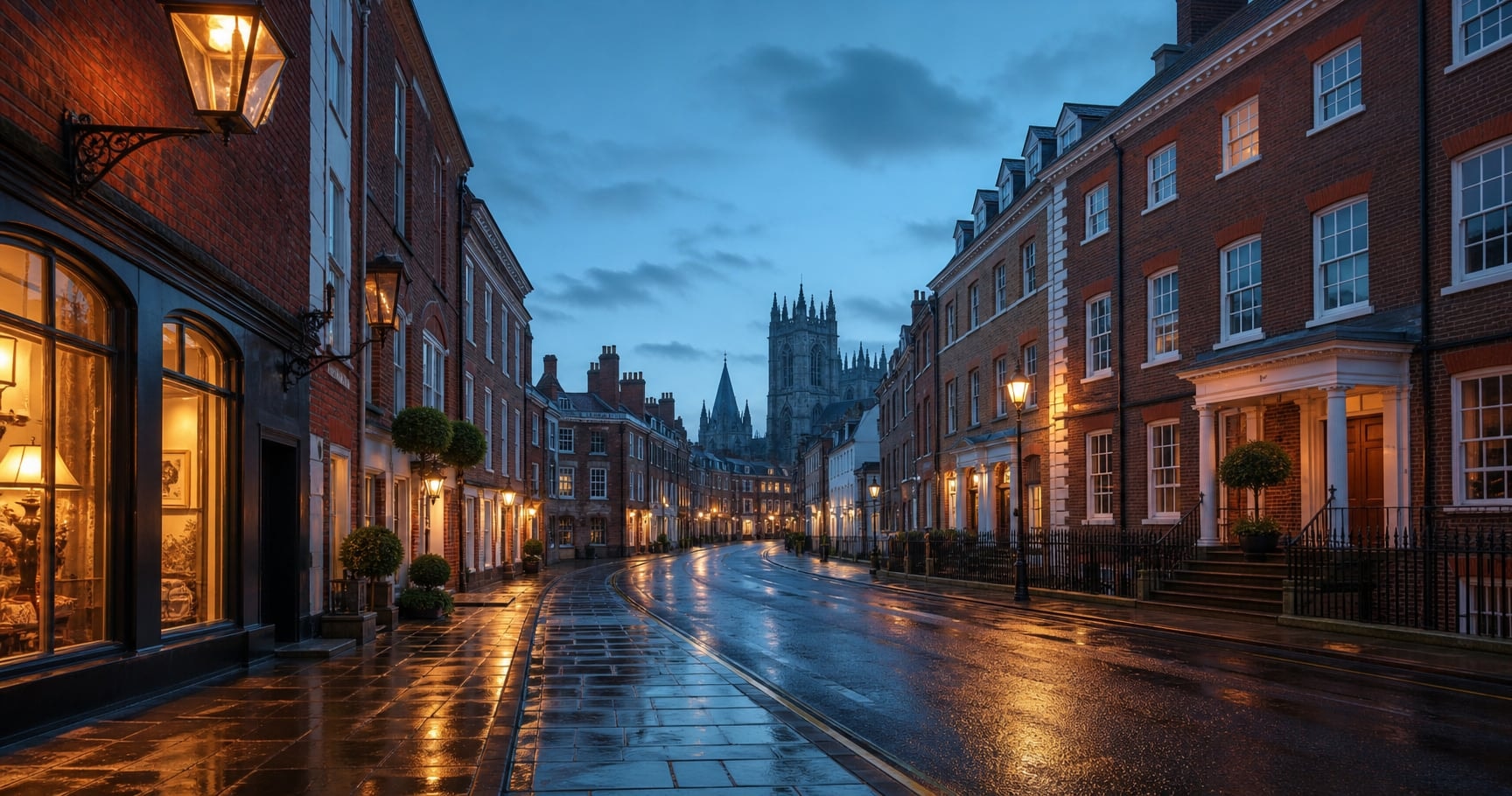
A field guide to staying in historic Rochester
Rochester is the sort of city that rewards a slower arrival. The railway, High Street, cathedral precinct, castle walls and River Medway sit close enough together for the shape of the place to become clear on foot. That compactness makes it attractive for an overnight visit, but it also makes the choice of where and how to stay more important: a room near evening activity feels different from one on a quieter edge, and a handsome old building may involve stairs, uneven floors or street noise.
For a practical way to turn that compact geography into a measured day, use the short-stay planning guide before deciding the order of streets, monuments and river.
Rochester Staybook is an independent editorial guide to those choices. It does not list availability, take reservations or represent any accommodation provider. Instead, it helps readers ask better questions before using a provider's own current information. The emphasis is practical: how to compare room descriptions, what service details deserve confirmation, how to arrive without turning the first hour into a puzzle, and how to set a walking route that respects both energy and opening times.
Begin with the stay, not the sales page
A useful short break starts with a simple outline. Decide which part of the day matters most. If the visit is built around early heritage sightseeing, a straightforward morning route may matter more than an elaborate room. If the aim is an evening on the High Street, sleep conditions and the position of the bedroom within the building deserve extra attention. Travellers with mobility, sensory or dietary requirements should make those needs part of the first comparison, not an afterthought.
Our stay-planning worksheet turns those priorities into a compact checklist. The hotel-services guide explains how to distinguish a precise facility description from a vague promise. Neither page tells you which property to choose. They give you a repeatable way to check what a current provider actually offers.
Read the city as a sequence
The historic centre is easy to understand when divided into short chapters. The arrival guide covers the transition from platform to street. The High Street walk focuses on pace, sight lines and useful pauses. The cathedral-and-castle page provides context for the two monumental neighbours without trying to replace official visitor information. The riverside notes describe how the crossing and water explain Rochester's long importance.
For orientation, the local destination service publishes an official map of historic Rochester. Use a current map for practical details, then use this site for the questions a map cannot answer: where might you want extra time, which surfaces could tire you, and what should you confirm before setting out?
A useful notebook, not a substitute for current facts
Heritage cities change. Opening hours, rail services, access routes and accommodation policies can all move faster than an editorial article. Treat every practical detail here as a planning prompt and verify it at the authoritative source before travelling. That habit is particularly important for access arrangements, planned engineering work, ticketed sites and any service on which the trip depends.
The pleasure of Rochester is not a checklist of attractions completed at speed. It is the relationship between a river crossing, a defensive height, a religious precinct and a long commercial street. Give that relationship room to emerge. One well-planned night can hold an evening walk, an early view of stonework, an unhurried museum hour and enough space to notice the ordinary buildings between the landmarks.
Use the guide in layers
First settle the practical framework, then add historical depth. Read the service and access checklists before choosing an itinerary; use the city pages after the route is secure. This order keeps live decisions tied to current sources while leaving the slower editorial material free to enrich the visit.